
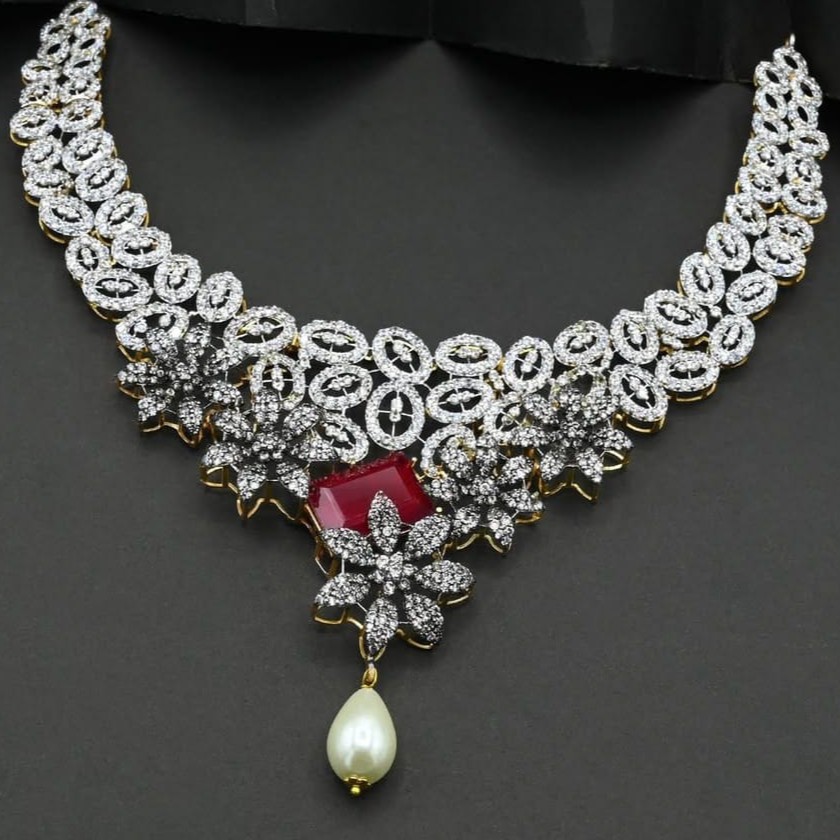


Let’s explore why ruby and pearl bridal sets deserve serious consideration for your wedding day, what makes floral designs particularly suitable for bridal jewellery, and how to style these pieces to create unforgettable looks.
The Symbolic Power of Rubies and Pearls Together
There’s actual meaning behind choosing rubies and pearls for bridal jewellery beyond just aesthetics. Rubies have long symbolized love, passion, and commitment, making them deeply appropriate for weddings. The rich red color represents the intensity of romantic love and the fire of lasting commitment. In many cultures, rubies are considered stones of prosperity and protection, adding layers of significance to bridal wear.
Pearls bring their own symbolism to the combination. Traditionally associated with purity, wisdom, and new beginnings, pearls have been bridal staples for centuries. They represent the innocence and hope that brides carry into marriage while also symbolizing the beauty that comes from overcoming challenges, since pearls form through irritation transformed into something precious.
When you combine rubies and pearls in a single piece, you’re balancing passion with purity, intensity with elegance, boldness with refinement. The visual and symbolic harmony creates jewellery that tells a complete story about marriage itself.
Why Floral Designs Work Perfectly for Bridal Jewellery
Floral motifs dominate bridal jewellery design for good reason. Flowers represent growth, beauty, fertility, and the blossoming of new life. A floral design isn’t just decorative, it carries meaning that resonates with the wedding context.
The practical advantages of floral designs matter too. Flowers provide natural frameworks for arranging multiple gemstones and pearls in ways that feel organic rather than forced. Petals create spaces for rubies while leaves and stems accommodate pearls, resulting in pieces with visual interest and dimensional depth.
Floral patterns also offer versatility in how elaborate or understated they appear. Simple three-petal flowers create clean, modern looks while complex multi-layer blooms deliver traditional opulence. This flexibility means floral designs work across various bridal styles from minimal contemporary to heavily traditional.
The curves and softness inherent in floral patterns complement the female form beautifully, creating jewelry that enhances rather than overwhelms. Sharp geometric designs can sometimes feel harsh against skin and fabric, while floral motifs flow naturally with the body’s lines.
Understanding the Ruby and Pearl Combination’s Visual Impact
From a pure aesthetics standpoint, rubies and pearls create stunning contrast. Rubies bring intense, saturated color that catches light with brilliant flashes. Pearls offer soft, lustrous glow with subtle color shifts. Together, they create visual tension that holds attention without feeling chaotic.
The color combination works remarkably well with bridal wear. Whether you’re wearing traditional red, modern pastels, or classic white, ruby and pearl jewellery complements rather than clashes. The red of rubies picks up warm tones in embroidery and fabric while pearls echo the lighter elements of most bridal outfits.
This combination also photographs exceptionally well, which matters enormously for wedding jewellery that will appear in countless photos. Rubies provide color pops that show up clearly in images while pearls add luminosity that prevents jewellery from looking flat or dull in photos.
What Makes Zuha Jewellery’s Approach Special
Quality bridal jewellery requires more than just throwing rubies and pearls together. The design execution, craftsmanship quality, and attention to detail separate memorable pieces from forgettable ones.
Setting techniques matter enormously. How rubies are mounted affects their security and how they catch light. Proper prong or bezel settings keep stones secure through the activity of wedding events while maximizing their visual impact. Pearl settings require different considerations since pearls are softer than gemstones and need gentle yet secure mounting.
The metal quality and finish create the foundation that rubies and pearls sit within. Whether using gold, silver, or other metals, the base should complement the stones rather than competing for attention. Polish, texture, and metalwork details all contribute to the overall impression.
Balance in design separates good bridal jewellery from great pieces. Too many rubies overwhelm, while too much pearl can look washed out. The right ratio creates harmony where each element enhances the others. Floral designs provide natural frameworks for achieving this balance.
Styling Ruby and Pearl Bridal Sets with Different Outfits
One advantage of ruby and pearl combinations is their versatility across various bridal looks. Understanding how to style these pieces with different outfits maximizes their impact.
With traditional red bridal wear, ruby and pearl jewellery creates tonal harmony while the pearls prevent the look from becoming too monochromatic. The pearls lighten and brighten the overall effect, ensuring you don’t disappear into your outfit. This combination works particularly well for barat ceremonies where rich, traditional styling is expected.
For pastel and lighter colored bridal outfits, ruby and pearl sets provide essential color and visual weight. Without substantial jewellery, light-colored outfits can look washed out in photos. The rubies add necessary punch while pearls harmonize with the softer fabric tones.
White or ivory bridal wear, common for walimas and reception events, pairs beautifully with ruby and pearl jewellery. The contrast is striking without being harsh, and the color combination reads as elegant rather than costume-like.
Contemporary fusion looks benefit from ruby and pearl pieces that bridge traditional and modern aesthetics. If you’re wearing Western-style bridal wear with traditional elements, jewellery that combines classic gemstones in updated designs creates perfect transitions.
Choosing Between Necklace Styles
Bridal necklace sets come in various lengths and styles, each creating different visual effects and suiting different necklines and body types.
Choker-style necklaces sit high on the neck, creating dramatic frames for the face. These work particularly well with deep necklines or off-shoulder designs where the neck is fully visible. The close fit emphasizes the neck and shoulders, which can be flattering but requires confidence to carry off.
Medium-length necklaces that fall just below the collarbone offer versatility. They work with most necklines and don’t overwhelm petite frames while providing enough presence for taller brides. This length often represents the sweet spot for bridal jewellery.
Longer necklaces or layered designs create vertical lines that can elongate the torso. These work well with higher necklines or simpler outfits where the jewellery becomes the focal point rather than competing with elaborate fabric work.
Consider your outfit’s neckline when selecting necklace style. High necklines pair best with longer chains while plunging necklines call for shorter pieces that frame rather than hide the neckline.
Earring Considerations in Bridal Sets
While necklaces often receive primary attention, earrings matter just as much in bridal sets. The right earrings complete the look while wrong choices can throw off the entire aesthetic.
Drop earrings with floral ruby and pearl designs create elegant frames for the face, drawing attention upward and complementing most face shapes. The movement and swing of drop earrings adds life to your look, catching light as you move.
Stud-style earrings with ruby and pearl florals provide understated elegance that works when you want necklaces to dominate or when your hairstyle already creates significant visual interest. Studs also offer more comfort for all-day wear than heavier drops.
The size and weight of earrings need consideration. Very heavy earrings can cause discomfort during long wedding events, potentially stretching piercing holes or causing soreness. Well-designed pieces balance visual impact with wearable weight.
Match earring formality to your necklace. Elaborate necklaces generally pair with similarly substantial earrings while simpler chains work with more delicate ear pieces. Mismatched formality levels between necklace and earrings rarely looks intentional.
Caring for Ruby and Pearl Bridal Jewellery
Bridal jewellery represents significant investment and often holds sentimental value, making proper care essential for maintaining beauty and longevity.
Rubies are relatively durable gemstones, ranking 9 on the Mohs hardness scale. They resist scratching and daily wear well. However, settings can loosen over time, so having pieces checked periodically ensures stones remain secure.
Pearls require more delicate handling. Their organic nature makes them vulnerable to chemicals, acids, and abrasion. Remove pearl jewellery before applying cosmetics, perfumes, or hairspray. Clean pearls gently with soft, damp cloth rather than harsh chemicals or ultrasonic cleaners.
Store bridal jewellery properly between wears. Keep pieces in soft cloth or padded boxes where they won’t scratch against other items. Separate storage for different pieces prevents damage from contact.
Have bridal jewellery professionally cleaned and inspected after wedding events. The activity, dancing, and general wear of wedding days can affect settings and finishes. Professional maintenance catches small issues before they become major problems.
Investment Value and Long-Term Wearability
Bridal jewellery often represents substantial expense, so considering long-term value makes sense beyond just the wedding day appeal.
Ruby and pearl combinations offer good resale value since both materials have intrinsic worth. Quality rubies maintain value over time, while natural pearls command respect in jewellery markets. The classic nature of floral designs means pieces remain stylish rather than becoming obviously dated.
Beyond resale, consider whether you’ll actually wear these pieces again. The most valuable bridal jewellery gets worn for anniversaries, formal events, or special occasions rather than sitting unused. Ruby and pearl sets have advantage here since their traditional elegance works across various dressy contexts.
Some brides plan to pass bridal jewellery to daughters or family members, adding sentimental value that transcends monetary worth. Quality pieces that survive decades of storage and occasional wear become family treasures carrying stories and connections.
Customization Options and Personal Touches
While ready-made bridal sets offer convenience and immediate availability, customization lets you create pieces perfectly suited to your preferences and needs.
Adjusting ruby sizes or quantities changes the overall color balance and visual weight. More rubies create bolder, more dramatic looks while fewer stones deliver subtlety and refinement. Personal preference and outfit considerations should guide these choices.
Pearl selection affects both appearance and cost. Size, luster, and type of pearls all vary. Larger pearls create more impact while smaller ones offer delicate detail. Freshwater pearls provide affordability while South Sea or Akoya pearls deliver premium luster at higher prices.
Metal choices significantly impact final appearance. Yellow gold creates warm, traditional looks while white gold or silver offers contemporary brightness. Rose gold provides trendy warmth that differs from traditional yellow gold.
Adding or modifying design elements personalizes standard patterns. Perhaps you want additional flowers, different leaf arrangements, or incorporated family stones. Custom work accommodates these desires, creating truly unique pieces.
Matching with Other Bridal Accessories
Bridal jewellery doesn’t exist in isolation. Coordinating with other accessories creates cohesive, polished looks.
Maang tikkas or mathapartis with matching ruby and pearl work create visual consistency from head to toe. Coordinated forehead ornaments feel intentional rather than assembled from random pieces.
Bangles, bracelets, or hand ornaments echoing necklace and earring designs complete the aesthetic. This doesn’t require exact matching, but shared design language unifies the look.
Nose rings or pins incorporating rubies and/or pearls work for brides wearing these traditional elements. Again, perfect matching matters less than complementary styles and colors.
Even accessories like hair ornaments, belts, or shoe embellishments can pick up ruby and pearl themes, creating thoroughly coordinated bridal appearances.
Making the Purchase Decision
Choosing bridal jewellery involves balancing aesthetics, budget, quality, and practical considerations. Taking time to evaluate options carefully prevents regret and ensures satisfaction.
Start shopping early enough to explore options without pressure. Rushed decisions rarely produce best results, particularly for significant purchases like bridal jewellery.
Try pieces with actual outfits when possible. Jewellery that looks perfect in isolation might not work with your specific clothing, and discoveries made early allow for adjustments or alternative selections.
Ask detailed questions about materials, construction, care requirements, and return policies. Reputable sellers welcome questions and provide clear information. Hesitation or vague answers raise red flags.
Consider your actual comfort level with elaborate jewellery. If you rarely wear substantial pieces, even the most beautiful bridal set might feel uncomfortable and awkward. Choosing jewellery that aligns with your natural comfort zone ensures you’ll look and feel confident.
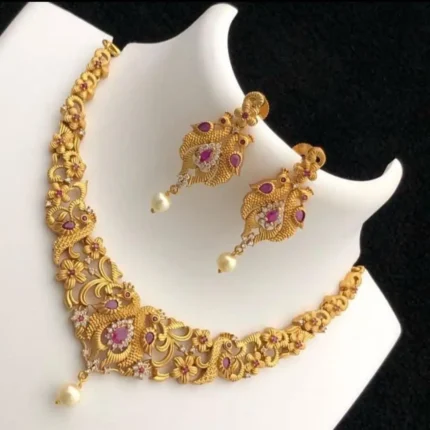
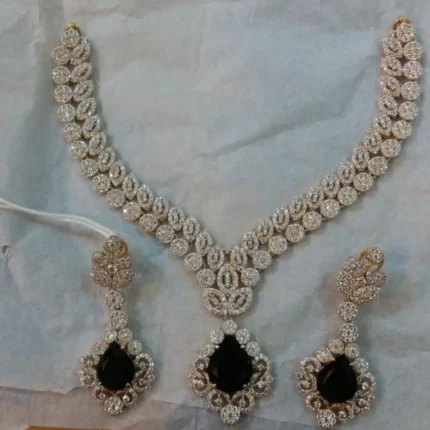
The Bridal Necklace Earrings Set Ruby Pearl Floral Design represents a classic approach to bridal jewellery that combines meaningful symbolism with timeless beauty. Whether this specific piece or the broader category of ruby and pearl combinations appeals to you, understanding what makes these pieces special helps you make informed, confident choices for your wedding day jewellery.



Reviews
There are no reviews yet.