

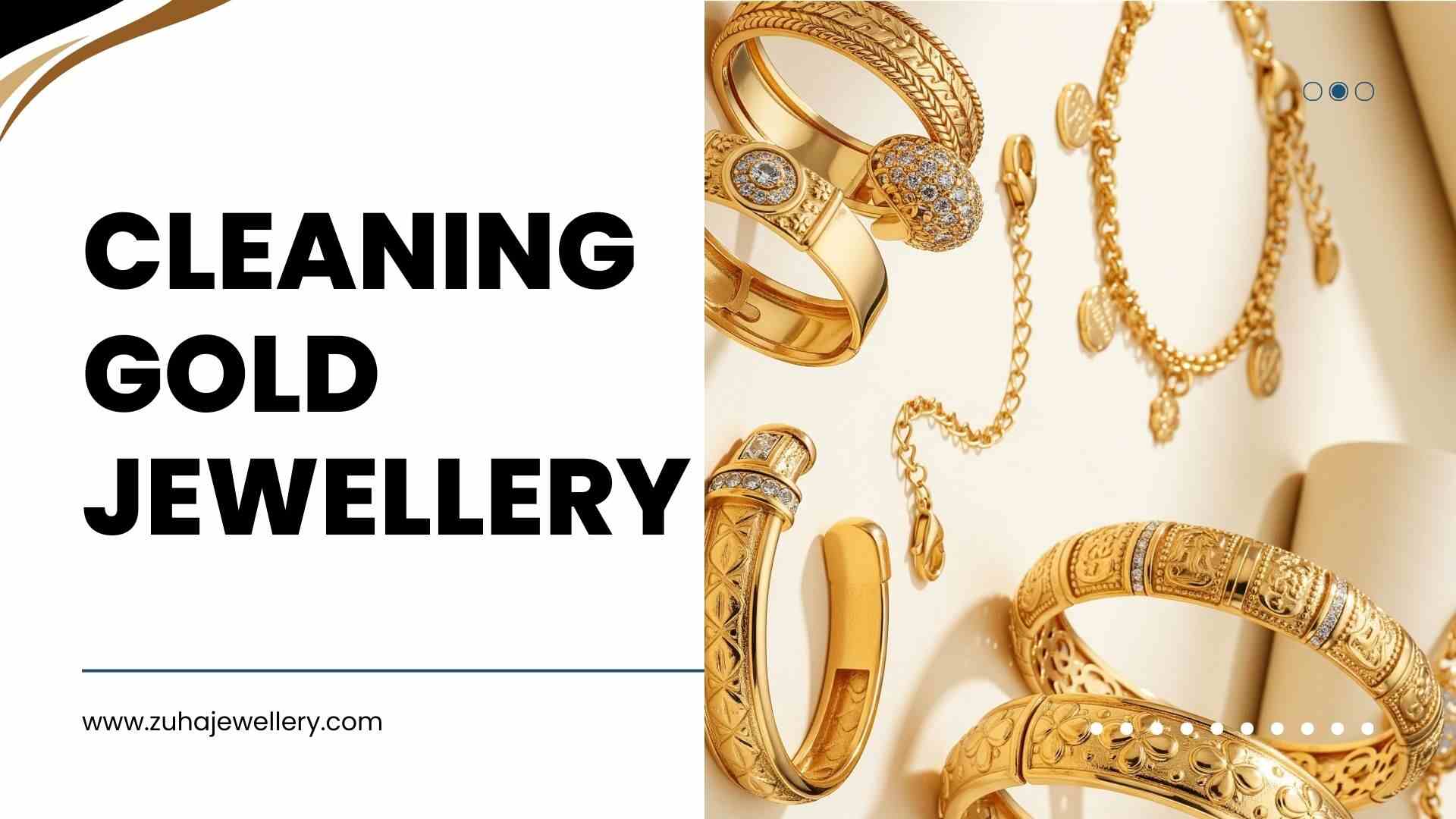
Gold jewellery has this way of making you feel put together. But after months of daily wear, even your favorite pieces start looking dull. The good news is you don’t need expensive cleaners or a trip to the jeweller. Most of what you need is already sitting in your kitchen.
What Gold Jewellery Is and Why It Needs Care
Gold jewellery isn’t just gold. Unless you’re wearing pure 24-karat pieces, your jewellery is an alloy mixed with metals like silver, copper, or nickel for strength. While gold resists tarnish, those other metals don’t. They react with skin oils, dust, soap residue, and environmental exposure, creating buildup that makes your rings, necklaces, and bangles look cloudy.
Gold measures 2.5 to 3 on the Mohs hardness scale. Most household dirt sits between 4 and 8. This means everyday grime can scratch your pieces if you’re not careful about cleaning them.
Why Gold Jewellery Loses Its Shine
Your jewellery picks up everything throughout the day. Skin oils transfer every time you adjust a ring or touch a necklace. Dust settles and mixes with oils to create a sticky layer. Soap residue gets trapped in settings and chain links. Lotions and perfumes contribute to buildup. Oxidation happens with lower-karat gold containing more copper or silver, darkening the metal over time.
Things You Should Know Before Cleaning
Check your gold purity. Higher karat gold (18K, 22K) is softer and needs gentler handling than 10K or 14K pieces. Know what stones you have. Diamonds, rubies, and sapphires can handle most cleaning methods. But emeralds, opals, turquoise, and pearls need special care as they can be damaged by certain cleaners or prolonged soaking.
Stay away from abrasive materials like rough cloths, paper towels, steel wool, or hard-bristled brushes. Avoid harsh chemicals completely. Chlorine (in bleach and pool water) breaks down metal alloys. Ammonia can damage gemstones and weaken settings. These cause real, permanent damage.
How Can I Clean My Gold Jewellery at Home?
Cleaning Gold Jewellery with Mild Detergent
This is your safest method for regular cleaning.
What you need:
- Small bowl
- Warm (not hot) water
- Mild dish soap (2-3 drops)
- Soft-bristled toothbrush
- Soft, lint-free cloth
Steps:
- Fill the bowl with warm water and add dish soap.
- Soak jewellery for 10-15 minutes to loosen buildup.
- Gently brush crevices, chain links, and under stone settings with a soft toothbrush. Don’t press hard.
- Rinse under warm running water (plug the drain first).
- Pat dry with soft cloth, then let air dry completely.
This works for everyday cleaning and is safe for gold with diamonds, rubies, or sapphires. It’s perfect for maintaining your bridal jewellery sets and earrings.
How to Clean Gold Jewellery with Baking Soda
Baking soda removes heavier buildup but is mildly abrasive. Use sparingly.
What you need:
- 2 tablespoons baking soda
- 1 tablespoon warm water
- Cotton swabs
- Soft cloth
Steps:
- Mix baking soda and water into thick paste.
- Apply with cotton swab (don’t brush). Dab and spread over surface.
- Let sit 1-2 minutes.
- Rinse thoroughly under warm water.
- Dry with soft cloth.
When NOT to use: Skip this on gold-plated jewellery, pieces with pearls, opals, emeralds, or any soft gemstones.
How to Clean Gold Jewellery with Vinegar
Vinegar works on tougher jobs but is acidic. Use carefully on sturdy pieces only.
What you need:
- Baking soda paste (3 parts soda, 1 part water)
- Distilled white vinegar
- Small bowl
- Cotton swabs
Steps:
- Apply baking soda paste with cotton swab, place in bowl.
- Pour vinegar to completely submerge the piece.
- Soak for exactly 5 minutes (no longer).
- Rinse immediately under warm water.
- Dry completely.
Too harsh for pearls, opals, emeralds, turquoise, and gold-plated pieces.
How to Clean Gold Jewellery with Toothpaste
Don’t use toothpaste. Most contain abrasive particles that scratch gold (softer than tooth enamel). These microscopic scratches accumulate and dull your jewellery over time. It also damages gemstone settings and harms pearls and opals. Stick with the baking soda method instead.
How Do You Make Gold Shiny Again?
What you need:
- Clean jewellery
- Microfiber or polishing cloth
Steps:
- Start with clean jewellery (use soap method first if needed).
- Gently buff with microfiber cloth using small circular motions and light pressure.
- Focus on flat surfaces, be careful around stone settings.
If jewellery still looks dull, you might need professional polishing for deeper scratches or worn plating.
How to Clean Tarnished Gold Jewellery
Real gold doesn’t tarnish, but alloy metals can. Start with soap and water, what looks like tarnish is often just buildup. For stubborn tarnish, try the baking soda and vinegar method cautiously. If tarnish doesn’t come off, it might be corrosion from chlorine exposure. Take it to a professional jeweller who can assess restoration options.
How to Clean Different Types of Gold Jewellery
Cleaning Gold Rings at Home
- Use soap and water method for plain bands.
- For stone settings, pay extra attention underneath stones.
- Before cleaning, tap ring near your ear. If it rattles, a stone is loose—get it repaired first.
How to Clean Gold Chains at Home
- Soak for full 15 minutes to loosen everything in links.
- Gently work bristles through each chain section.
- For fine chains, skip brushing—let soaking do the work.
- Dry flat on soft cloth (don’t hang while wet to avoid stretching).
How to Clean Gold Jewellery with Diamonds
- Use soap and water method, focusing where diamond meets metal.
- Optional: Use seltzer water instead of plain water, carbonation helps lift dirt.
- Check prongs before and after cleaning. Get repairs immediately if prongs look weak.
Don’t use ultrasonic cleaners at home, some diamonds have internal flaws that worsen with vibrations.
What NOT to Use When Cleaning Gold Jewellery
Bleach: Chlorine breaks down alloy metals, creating pockets where metals used to be. Damage can be so severe pieces crumble. Never clean with bleach.
Ammonia: Damages softer gemstones like pearls, opals, and emeralds. Most people should avoid it entirely.
Ultrasonic cleaners: Risky at home. Can loosen stones and damage treated gemstones.
Rough brushes or abrasive materials: Steel wool, hard brushes, even rough paper towels scratch gold. Scratches accumulate and dull finish.
Harsh household cleaners: Window cleaners, all-purpose sprays—stick to what you know is safe.
How Often Should You Clean Gold Jewellery?
For daily-wear pieces like wedding bands: Wipe down with soft, damp cloth after each wear. Do full soap cleaning every 2-3 weeks, more if visibly dirty.
For occasional-wear jewellery: Clean before storing after each use to prevent dirt from sitting on the piece.
Professional maintenance: Visit a jeweller yearly for inspection and deep cleaning. They check for loose stones, worn prongs, and structural issues. Many offer this service free or cheaply.
Store clean jewellery in a cool, dry place, ideally in individual soft pouches or jewellery boxes with separate compartments.
When to Visit a Professional Jeweller
Some situations require professional help:
Deep scratches: Home polishing won’t fix visible scratches. Professionals have proper tools to repolish without removing too much metal.
Loose stones: Never clean jewellery with loose stones at home. Get it repaired first.
Structural damage: Bent prongs, broken clasps, stretched chains need professional repair.
Professional polishing: For pieces that lost shine despite cleaning efforts. Especially important for white gold that may need replating.
Antique or valuable pieces: Don’t risk cleaning yourself, let professionals handle them.
Keeping Your Gold Jewellery Beautiful
Cleaning gold jewellery at home is straightforward when you stick to safe methods. Warm water and mild dish soap handle most situations. Baking soda can help with tougher jobs but should be used carefully. And some things, like bleach and toothpaste, should never touch your jewellery.
The key is regular, gentle maintenance rather than infrequent aggressive cleaning. Taking two minutes to wipe down your jewellery after wearing it beats spending an hour trying to remove months of buildup.
Take care of your pieces, clean them properly, and they’ll continue looking beautiful for years to come.