

Gold jewellery holds cultural and financial significance in Pakistan, where it serves as both adornment and investment. The country’s gold market includes authentic pieces alongside imitations, making verification skills essential for buyers who spend substantial amounts on wedding sets, daily wear items, and inherited family pieces.
What Defines Real Gold Jewellery
Real gold jewellery contains genuine gold metal in measurable purity levels, expressed in karats. Pure gold is 24 karat, but jewellery typically uses 22K (91.6% gold), 21K (87.5% gold), or 18K (75% gold) because pure gold is too soft for everyday wear. The remaining percentage consists of alloy metals like copper, silver, or zinc that add strength.
Pakistan’s jewellery market predominantly features 22K and 21K gold pieces. The All Pakistan Sarafa Gems and Jewellers Association regulates gold trading standards, though enforcement varies across cities. Authentic pieces display hallmark stamps indicating karat purity, manufacturer details, and sometimes the year of production.
Hallmark Verification Methods
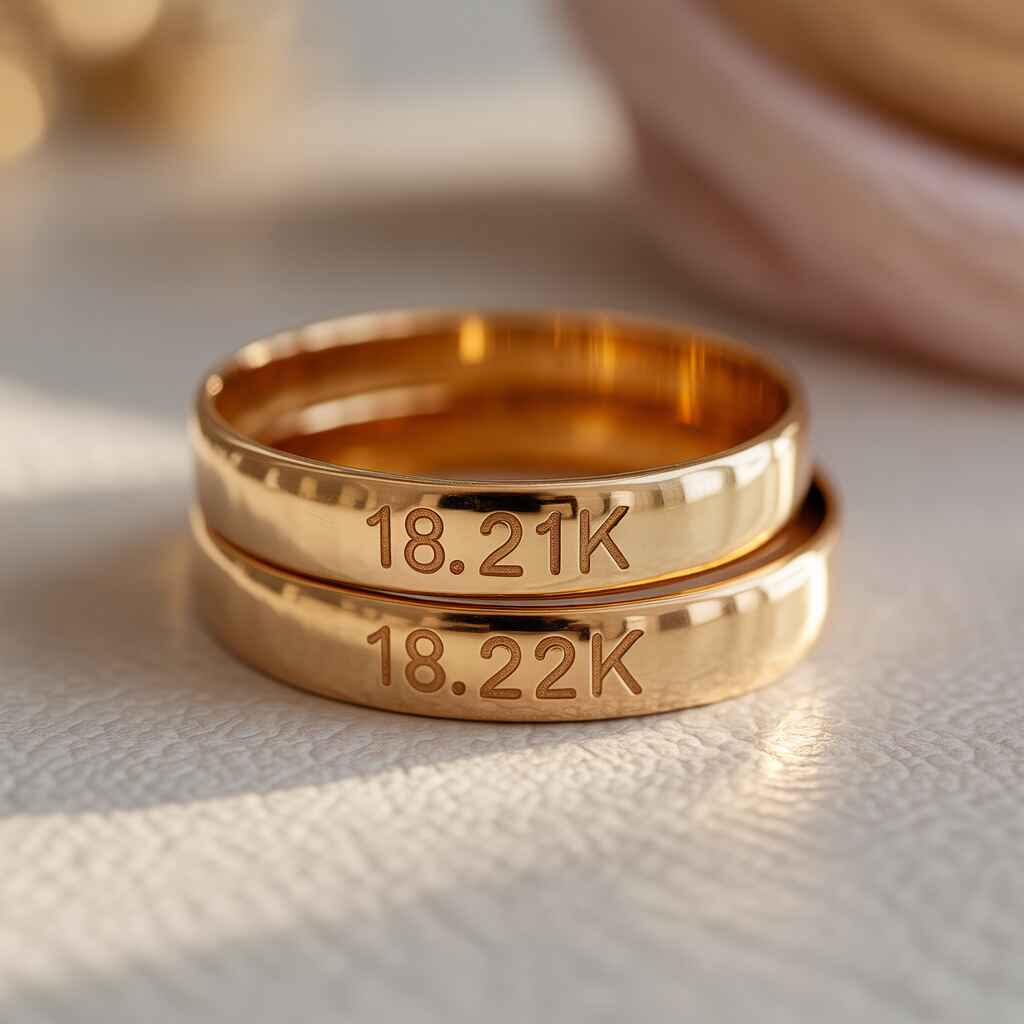
Check for stamped markings that show karat value and manufacturer identity. Genuine gold pieces carry engravings like “22K,” “21K,” or “18K” on clasps, inner bands, or hidden surfaces. Pakistani manufacturers often add their shop stamp or logo alongside purity marks.
Examine these stamps using a magnifying glass under good lighting. The numbers should appear crisp and evenly engraved, not superficial or fading. Counterfeit pieces display blurry stamps, incorrect karat abbreviations like “22KT” instead of “22K,” or missing manufacturer information entirely.
The absence of hallmarks does not automatically indicate fake gold, as older pieces or items from unregistered workshops may lack proper markings. However, unmarked jewellery requires additional verification steps before purchase.
Physical Testing Techniques
Gold exhibits specific physical properties that distinguish it from imitations. These characteristics include density, magnetic properties, and surface behavior that buyers can test without specialized equipment.
Magnet Test
Real gold shows no magnetic attraction whatsoever. Hold a strong magnet near the jewellery piece. Authentic gold remains unaffected, while items containing iron, nickel, or steel exhibit magnetic pull. This test eliminates obvious fakes but does not confirm authenticity, as some non-magnetic metals like copper or brass also pass this examination.
Weight and Density Check
Gold possesses exceptional density at 19.3 grams per cubic centimeter. Genuine gold pieces feel noticeably heavier than similarly sized items made from lighter metals. Compare the suspected piece with a confirmed gold item of similar size. Significant weight difference indicates possible imitation using aluminum, brass, or gold-plated base metals.
Skin Discoloration Test
Rub the gold item on your skin with slight pressure for several seconds. Real gold leaves no discoloration marks on skin. Green, black, or dark marks indicate base metals reacting with skin chemistry. This test works because gold is chemically inert and does not oxidize or react with human skin oils, sweat, or natural acids.
Scratch and Color Test
Gently scratch an inconspicuous area with a ceramic tile or unglazed porcelain. Gold produces a golden-yellow streak, while fake gold shows black or other colored marks. This method works because gold’s color remains consistent throughout, whereas plated items reveal the base metal underneath when scratched.
Professional Testing Standards
Jewellers use acid testing and electronic gold testers for definitive verification. These methods provide accuracy levels that physical tests cannot match.
Acid Test Process
Professional jewellers apply nitric acid solutions of varying strengths to small scratches on the gold surface. The acid reacts differently based on karat purity. Gold of 18K or higher resists acid reaction, maintaining its color, while lower karat gold or fake metals dissolve or change color. Reputable shops in Lahore, Karachi, Rawalpindi, and Islamabad offer this service for minimal fees ranging from PKR 100 to PKR 500.
Electronic Gold Testing
Electronic gold testers measure electrical conductivity to determine purity. The device displays karat value within seconds when its probe touches the gold surface. This non-destructive method costs between PKR 300 to PKR 1,000 at professional testing centers and provides accuracy within 1-2% margin.
X-Ray Fluorescence Analysis
Advanced laboratories use XRF machines that analyze metal composition without damaging jewellery. XRF testing reveals exact percentages of gold and alloy metals present in the piece. The Pakistan Council of Scientific and Industrial Research (PCSIR) laboratories in major cities offer this service, charging PKR 2,000 to PKR 5,000 per test.
Common Imitation Types in Pakistani Markets
Gold-plated items, brass pieces, and lower-karat substitutions constitute the primary deception categories. Understanding these variations helps buyers recognize red flags during purchase.
Gold-plated jewellery contains a thin gold layer over base metal. The plating wears off with regular use, exposing darker metal underneath. These pieces cost significantly less than solid gold but are sometimes misrepresented at inflated prices in unauthorized markets.
Brass and copper alloys mimic gold’s appearance through similar coloring. Manufacturers add zinc to create a golden hue that deceives untrained eyes. These items weigh less than gold, tarnish quickly, and fail basic verification tests.
Some sellers substitute lower karat gold while claiming higher purity. A piece sold as 22K might actually contain 18K or 16K gold, reducing its value by PKR 1,000 to PKR 2,000 per gram based on current market rates. Understanding how to calculate gold jewellery price helps buyers identify unrealistic pricing.
Sound Testing Method
Authentic gold produces a distinct ringing sound when dropped on a hard surface. Drop the jewellery piece from a height of approximately 6 inches onto a flat, hard surface like glass or marble. Real gold creates a clear, high-pitched ringing tone that lasts 1-2 seconds. Fake gold produces a dull thud or flat sound that stops immediately.
This test works best with coins, bangles, or other solid pieces rather than delicate chains or intricate designs that might sustain damage from dropping.
Water Displacement Test
Fill a graduated cylinder or measuring container with water and note the exact water level. Submerge the gold piece completely and measure the water displacement. Calculate the piece’s volume, then divide its weight by volume to determine density. Results between 19.0 and 19.5 grams per cubic centimeter indicate genuine gold.
This method requires a precise scale measuring to 0.1 grams and a container marked in milliliters for accurate calculations.
Purchase Location Considerations
Buy from registered members of the All Pakistan Sarafa Gems and Jewellers Association for transaction security. Association members follow standardized practices, provide proper invoices, and offer recourse if disputes arise.
Established jewellery markets in Anarkali Bazaar (Lahore), Sarafa Bazaar (Karachi), Raja Bazaar (Rawalpindi), and Landa Bazaar (Quetta) contain both reputable dealers and questionable vendors. Request shop registration certificates, business cards, and detailed receipts showing item weight, karat purity, making charges, and total price breakdown.
Online gold purchases carry higher risk due to inability to physically verify items before payment. Platforms offering cash-on-delivery, third-party verification options, and clear return policies provide better protection than prepaid-only sellers. When shopping for jewellery online in Pakistan, prioritize established brands with transparent policies.
Documentation Requirements
Obtain written certification showing exact weight, karat purity, and itemized pricing. Proper documentation includes the seller’s shop name, address, contact number, and National Tax Number (NTN). This paperwork serves as proof for insurance claims, resale transactions, and legal recourse if authenticity issues emerge.
Photograph the receipt, hallmark stamps, and overall item condition immediately after purchase. Store these records digitally and physically for future reference.
Price Verification Against Market Rates
Compare quoted prices with the daily gold rate published by the Pakistan Mercantile Exchange. Authentic 22K gold jewellery costs approximately PKR 500 to PKR 1,500 per gram above the base gold rate for making charges, depending on design complexity. Prices significantly below market rates indicate potential authenticity problems or undisclosed issues.
Making charges vary between PKR 8 to PKR 25 per gram for simple designs and PKR 1,000 to PKR 5,000 per piece for intricate work. Clarify these costs separately from gold value to understand total pricing structure.
Verification Checklist for Buyers
Before finalizing any gold jewellery purchase in Pakistan:
- Examine hallmark stamps for clear karat markings and manufacturer details
- Perform magnet test to eliminate magnetic materials
- Compare weight against similar-sized confirmed gold items
- Request professional acid testing at reputable jewellery shops
- Check current market rates via Pakistan Mercantile Exchange or Sarafa Association websites
- Obtain complete documentation including itemized invoice and certification
- Verify seller credentials through association membership and business registration
- Test sound quality by dropping solid pieces on hard surfaces
- Inspect for skin discoloration through brief contact test
- Calculate total costs including making charges separately from gold value
These steps provide comprehensive protection against counterfeit gold purchases while ensuring you receive genuine items matching the claimed purity and value. For those interested in alternative precious metals, consider exploring silver jewellery options which offer similar verification methods and investment potential.